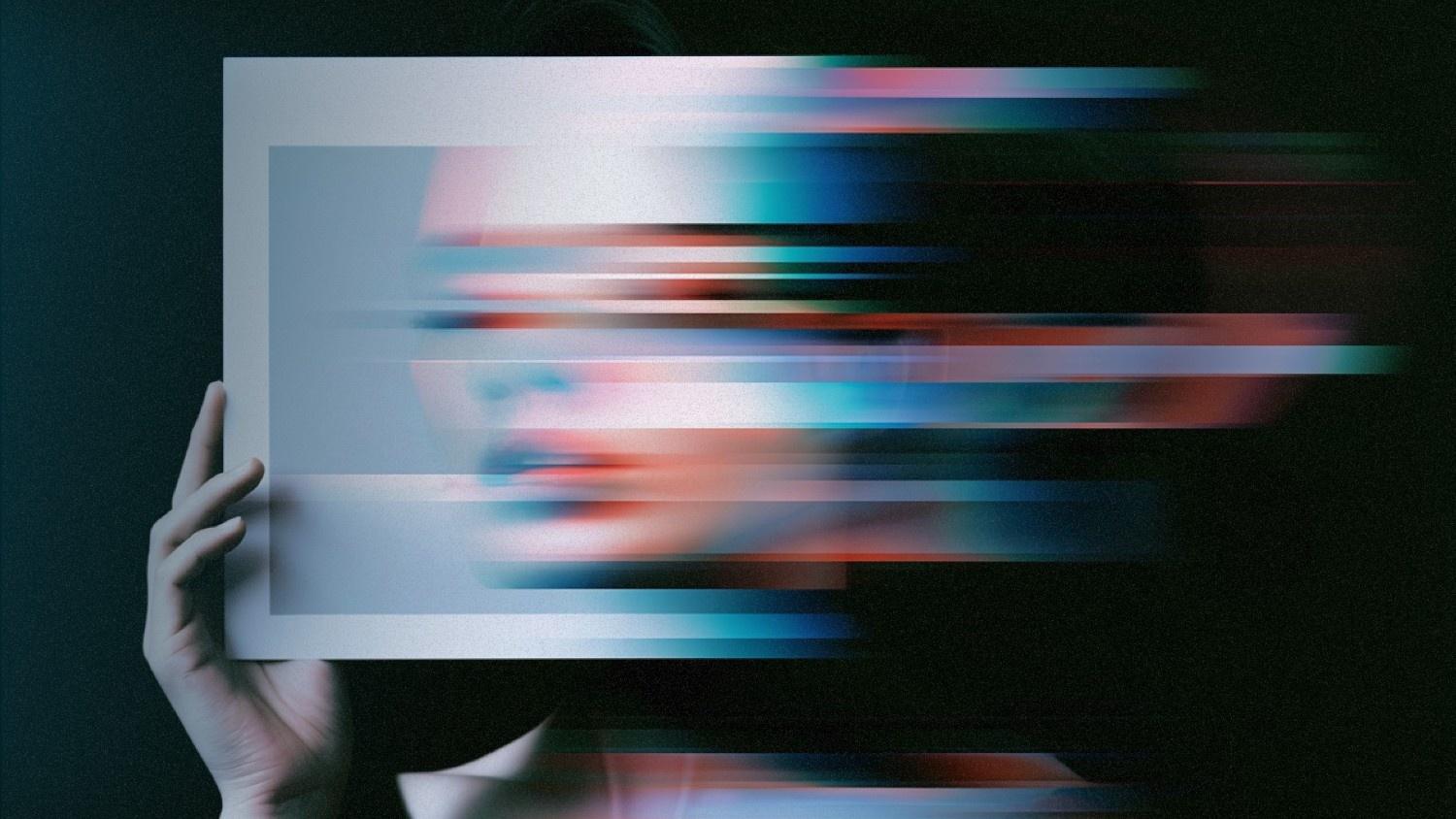
Future aesthetics are no longer about incremental trend shifts; they are about a fundamental change in how visual ideas are born.
This article explores what generative design aesthetics mean for brands, why the human role has never been more critical, and how to embrace this new creative paradigm without losing the soul of your brand.
ALSO READ: AI and Creativity: A Designer’s Best Friend or Frenemy?
What Generative Design Aesthetics Actually Mean
Generative design is not a specific style. It is a process where creators set rules, parameters, and data inputs, then allow an autonomous system to produce and iterate on visual forms.
The resulting aesthetics often exhibit biomimetic curves, fractal-like complexity, and a precision that feels simultaneously organic and computational.
These are not designs polished by hand; they are designs discovered through exploration.
For a brand, this means moving from a single fixed logo to a living identity system that can adapt, morph, and respond to context while maintaining a coherent core. It is a shift from designing artifacts to designing the conditions under which beautiful, meaningful visuals emerge.
Why Future Aesthetics Demand a Strategic, Human-Led Approach
The temptation with generative tools is to let the algorithm run wild.
But future aesthetics that truly resonate are not born from randomness alone. They are the product of a thoughtful partnership between human creative direction and machine capability.
Without a clear brand strategy, algorithmic output becomes a gimmick rather than a differentiator.
1. The Risk of Surrendering Your Brand to the Algorithm
An AI can generate a thousand logo variations in seconds. But it cannot understand your market, your emotional territory, or the trust you have spent years building.
Handing your brand’s visual future entirely to generative processes risks creating work that is novel but empty, impressive but forgettable.
The most effective use of generative design aesthetics keeps the strategist and the designer firmly at the center, using the algorithm as a tireless collaborator that amplifies human intent rather than replacing it.
This is where a clear branding development process becomes essential, defining the core identity before exploring its infinite generative expressions.
2. The Human Aesthetic Filter Remains Irreplaceable
Research consistently shows that while audiences find AI-generated art technically impressive, they still assign deeper meaning and greater value to work they believe has a human touch.
The future aesthetics that will dominate are those where technology serves a human vision.
A designer who understands composition, cultural semiotics, and emotional response can guide a generative system toward outputs that feel both surprising and inevitable.
The machine proposes; the human disposes. This filtering process ensures that the final visual language connects on an emotional level, not just an intellectual one.
Practical Ways to Integrate Generative Aesthetics Into Your Brand
Embracing generative design aesthetics does not require throwing out your existing brand system. It can begin with targeted applications that add depth and dynamism to your visual presence.
A campaign can feature algorithmically generated patterns that shift across different media. A digital presence can include reactive visuals that respond to user behavior or real-time data. These applications turn a static identity into a living brand experience.
Antikode’s digital content creation and management team helps brands build these dynamic visual systems, ensuring that generative elements always trace back to a strategically defined core. From 3D asset production to algorithm-assisted illustration, the goal is to extend your creative palette, not constrain it.
Redefining Creativity as a Partnership
The arrival of generative design aesthetics has sparked predictable fears about the devaluation of human creativity. But history shows that new tools do not eliminate creativity; they redefine it.
The camera did not kill painting. It freed it from realism and gave rise to impressionism and abstract expressionism.
Generative design will similarly push human creativity toward higher-level conceptual work, curation, and meaning-making.
The designer of the future is not less of a craftsman; they are also a creative director of intelligent systems. The manual craft still matters, because the taste that guides the algorithm is built through it. The shift does not diminish skill; it broadens the surface where skill applies.
The brands that win will be those that invest in creative talent capable of orchestrating these partnerships, blending algorithmic breadth with human depth.
Antikode’s graphic design and branding teams operate at exactly this intersection, combining over a decade of aesthetic expertise with a forward-looking embrace of the tools shaping tomorrow’s visual landscape.
ALSO READ: The Era of Artificial Everything: Balancing AI and Human Creativity
Build Your Future Aesthetic with Intention
Generative design aesthetics are not a distant future. They are here, shaping the visual identities that will define the next era of brand experience.
The opportunity is not to chase the algorithm but to harness it with clarity, purpose, and an unwavering commitment to human-led creativity.
Whether you are evolving your visual identity or building a new brand from the ground up, now is the moment to explore how generative systems can express what makes you unique.
Talk to Antikode about how we can bring strategic, beautifully crafted future aesthetics to your brand, ensuring that your visual presence remains as dynamic as the world it inhabits.