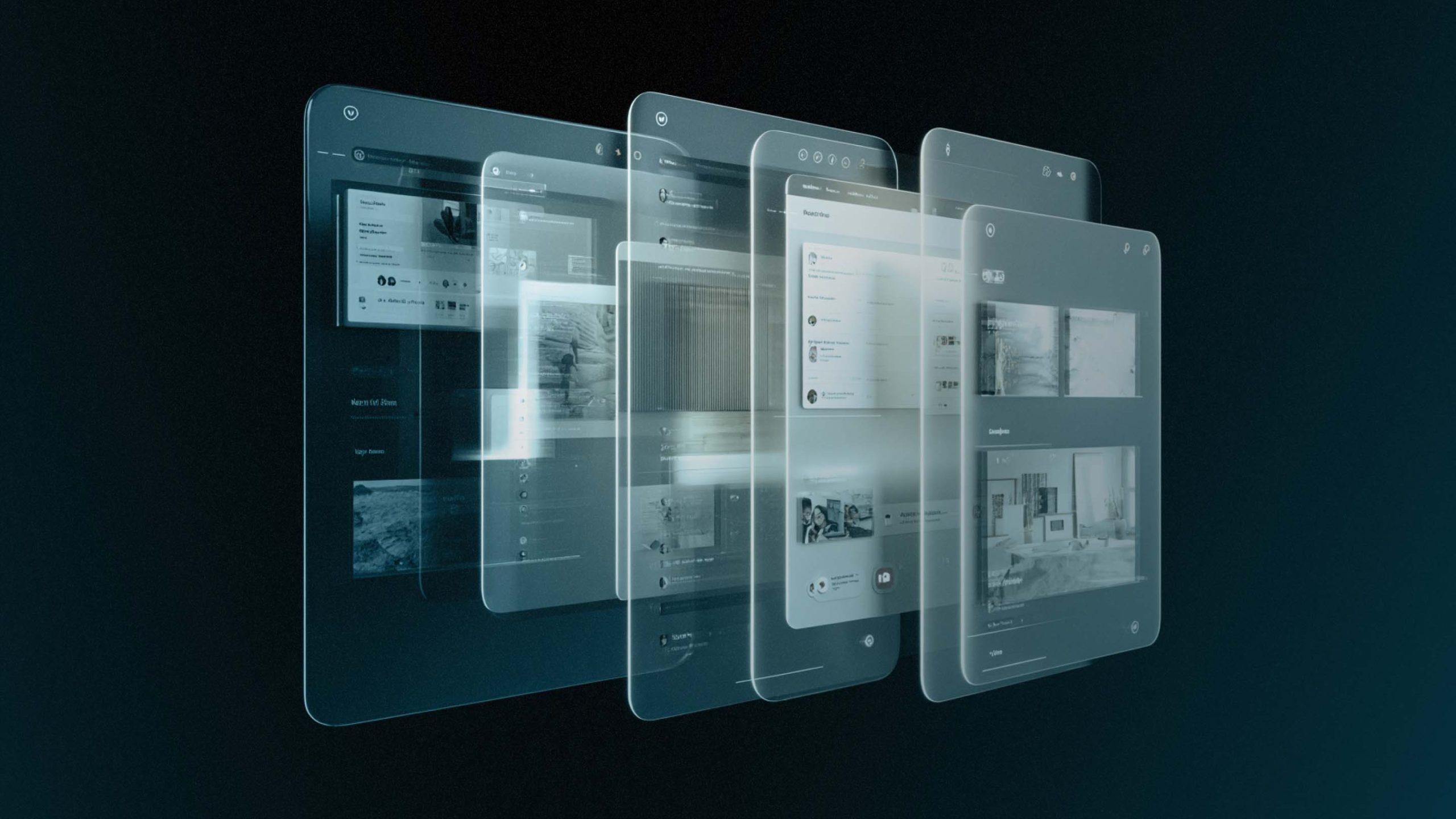
A frictionless app experience is the new standard for user survival and success.
Think about how quickly frustration builds when you’re forced to reset a password, fight through a clumsy checkout, or get kicked into a mobile browser even though the app is already installed.
These are not minor annoyances; they are forms of “friction.”
In a world where 76% of consumers are ready to switch brands after just a couple of bad interactions, understanding and eliminating this friction is a critical business strategy.
This guide will explore what a frictionless app experience truly means and why it’s the most important investment you can make in your digital product.
Also Read: How Motion Design Enhances User Engagement
The Definition of Frictionless App Experience
A frictionless app experience is one where users move from intent to outcome almost without thinking, no awkward steps, no unnecessary waiting, no extra decisions. Every tap feels obvious, every screen feels relevant, and the path to their goal is short and clear.
Think of frictionless app experience like great service in a hotel: things “just happen” when you need them, often before you even ask.
By contrast, friction is anything in your product that slows users down or makes them work harder, such as unclear copy, clunky flows, technical glitches, or business rules that add extra steps.
Friction is effectively a tax on your user’s time and patience. Each one is another potential exit point where they decide not to continue.
Why a Frictionless App Is Non-Negotiable for Your Business
Today’s customers have almost zero tolerance for friction.
They expect every app they use to match the ease and responsiveness of leaders like Amazon and Uber, with fast loads, clear flows, and minimal effort. Anything less feels outdated.
When 78% of users say they prefer apps over mobile sites because they believe apps will be more convenient and faster, that preference comes with a built-in promise.
If your app introduces unnecessary steps, delays, or confusion, you’re breaking that promise. Once it’s broken, users don’t complain, they just move on.
Seen through that lens, you can understand that a frictionless app is a retention and revenue safeguard.
Reducing friction is one of the most direct ways to lower churn and keep customers choosing you instead of the next-best alternative.
The 4 Types of Friction That Are Costing You Customers
To fix friction, you first need to know where to look.
Friction can appear at every single stage of the user journey. Let’s take a look at these friction types to help you.
1. Authentication Friction
This is the “Who are you?” problem that acts as a locked door before a user can even enter.
- The Friction: Forcing users to create a new account, complex password requirements, mandatory one-time-passwords (OTPs), and logging users out too frequently.
- The Fix: Integrate password-less authentication, biometric login (Face ID, fingerprint), or social sign-on to make entry instantaneous.
2. Discovery Friction
This is the “I can’t find it” problem.
- The Friction: Poorly targeted ads, confusing navigation, or links from an email or social media post that just dump the user on the app’s homepage, forcing them to re-find the product.
- The Fix: Use deep linking, which intelligently sends a user from an ad or link directly to the specific product or page inside the app.
3. Purchase and Checkout Friction
This is the “This is too hard, I’m leaving” problem.
- The Friction: Long forms, asking for the same information twice, not displaying shipping costs upfront, or not offering modern payment options.
- The Fix: Ruthlessly eliminate form fields. Store user settings, enable auto-filling, and integrate one-click mobile wallets like Apple Pay or Google Pay.
4. Post-Purchase Friction
This is the “Now what?” problem that erodes trust after the sale.
- The Friction: Inadequate or non-existent order tracking, a complex returns process, or hard-to-find customer support.
- The Fix: Provide proactive in-app notifications for order status, a clear and simple “request return” button, and one-click access to a support chat.
3 Practical Examples on How to Create a Frictionless Journey
Let’s see how this works in the real world.
1. From Offline to Online
A fast-food brand places QR codes in its stores to promote an app-exclusive offer.
- With Friction: The QR code opens the brand’s homepage, the user has to find the “offers” section, and the promo doesn’t apply automatically. The user gives up.
- Frictionless: The QR code is a deep link. It detects the user has the app, opens it, and automatically applies the promo code to their cart.
2. From Web to App
A traveler checks in for their flight on their laptop.
- With Friction: The airline website says, “Go download our app to get your mobile boarding pass.” The user has to manually search the app store, download the app, log in again, and find their booking.
- Frictionless: After web check-in, the user gets an SMS with a single deep link. Tapping it opens the app (or prompts a download if they don’t have it) and takes them directly to their mobile boarding pass.
3. From Social Media to Purchase
A fashion influencer posts a link to a specific pair of shoes.
- With Friction: A follower taps the link, which opens the mobile website. They are asked to log in, even though they have the app. They abandon the purchase.
- Frictionless: The deep link intelligently detects the app is installed, bypasses the mobile site, and opens the specific product page inside the app, allowing for a one-click purchase.
Also Read: The Psychology of Color and Charts in Data Visualization
Conclusion
For a customer-centric business, a frictionless app experience is how your values show up in practice.
The seamless experience signals you’re willing to do the hard work behind the scenes, so your users don’t have to. No doubt, it takes thoughtful design, reliable engineering, and genuine empathy for what people feel at every step of the journey.
When you remove unnecessary steps, you’re doing more than optimizing flows. You’re basically telling users: “We see you, we respect your time, and we want this to be easy.”
At Antikode, this is exactly where our Experience, Design, and Engineering teams work best together.
Our teams are dedicated to understanding real behavior and pain points, while also building stable, high-performance apps that keep the experience consistent.
Antikode can help you define the right journeys, build the right foundations, and launch an app that feels effortless.